
10 Facts about Mars: Insights from an Astronomy Expert
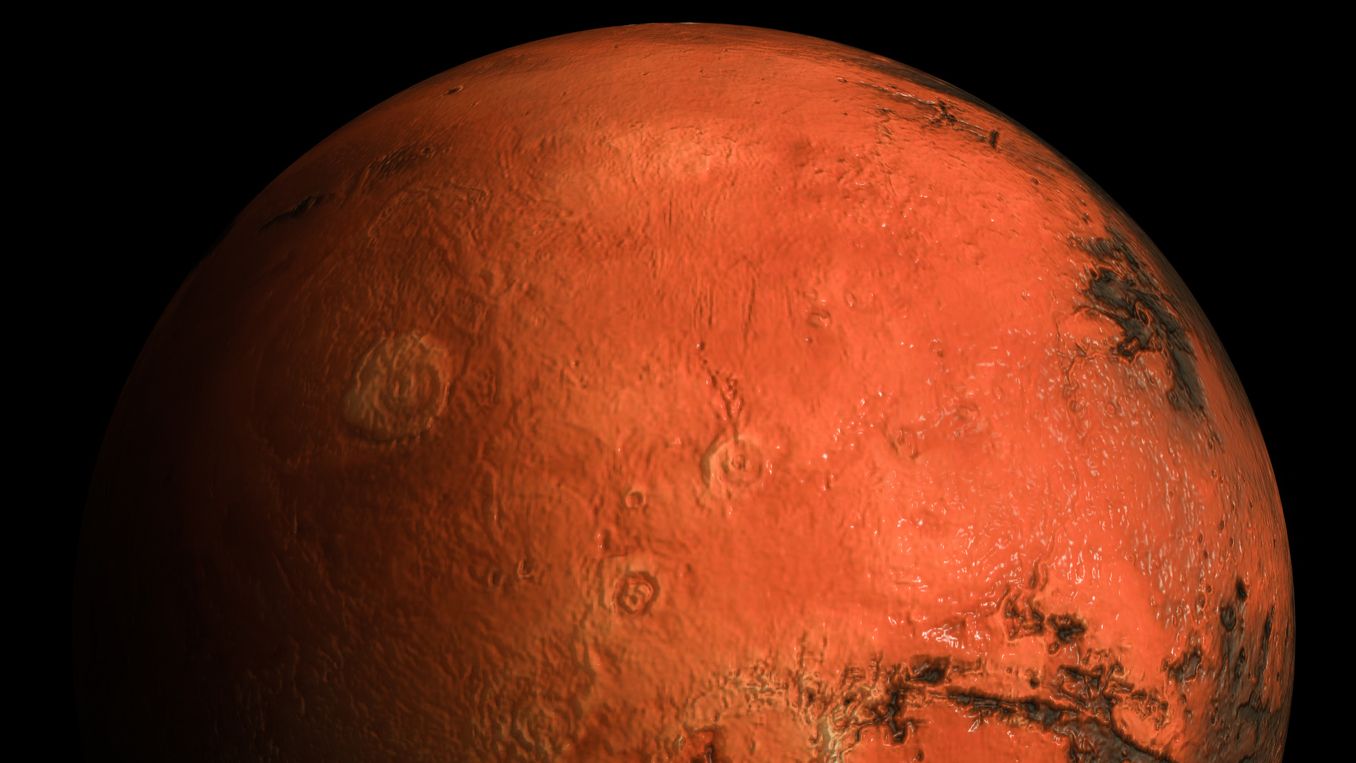
As an expert in astronomy, I have long been captivated by Mars, the enigmatic Red Planet. Its distinct reddish color comes from iron oxide covering much of its surface, giving it an unmistakable hue visible even from Earth. Studying Mars has revealed its dynamic geology, intriguing atmosphere, and the possibility that it may have once supported life. Every observation deepens my appreciation for its complexity and potential for future exploration.
Size and Gravity of Mars
Mars has approximately half the diameter of Earth and its surface gravity is only 38% that of our planet. This difference fascinates me because it significantly affects atmospheric retention, potential human colonization, and even the way dust and sand move across its surface. Lower gravity could make movement easier for astronauts but presents challenges for long-term human health and muscle maintenance.
Atmospheric Composition
The atmosphere of Mars is incredibly thin, composed mostly of carbon dioxide with traces of nitrogen and argon. I find this feature critical because it makes the planet inhospitable to humans without advanced life-support systems. Furthermore, the thin atmosphere contributes to extreme temperature fluctuations, which can drop below -100°C at night, emphasizing the challenges of sustained exploration and habitation.
Water Evidence on Mars
Mars has captured my attention for the tantalizing evidence of water in its past and present. Ice caps at the poles, ancient riverbeds, and hydrated minerals indicate that liquid water once existed on the surface. For those curious about these discoveries, you can explore more fascinating details here. I find it thrilling because water is a key ingredient for life, and these findings fuel the hope of discovering past microbial life.
Surface Features and Volcanoes
The Martian landscape contains some of the most extreme features in our solar system. Olympus Mons, the tallest volcano, soars nearly three times the height of Mount Everest. Valles Marineris, a canyon system, stretches over 4,000 km long and 7 km deep. Studying these formations excites me because they provide clues about Mars’ geologic history and the forces that shaped the planet over billions of years.
| Fact | Description | Scientific Importance |
|---|---|---|
| Size & Gravity | Half of Earth’s diameter; 38% gravity | Affects planetary processes and human exploration |
| Atmosphere | Mostly CO₂ with trace gases | Limits habitability and influences climate |
| Water Evidence | Ice caps, ancient riverbeds, hydrated minerals | Indicates past habitability and resource potential |
| Volcanoes & Canyons | Olympus Mons, Valles Marineris | Reveals geologic activity over time |
| Seasons | Axial tilt creates seasonal changes | Important for climate patterns and exploration |
| Moons | Phobos and Deimos | Insights into solar system formation |
| Dust Storms | Global storms can cover the entire planet | Affects surface missions and solar power use |
| Past Missions | Rovers, landers, orbiters | Provides critical scientific data |
| Future Exploration | Manned missions and sample return | Will deepen understanding of Martian geology |
| Societal Impact | Inspires research, technology, and exploration | Encourages global scientific collaboration |
Seasons and Climate
Mars experiences seasons similar to Earth due to its axial tilt. However, the thin atmosphere allows temperature swings from -125°C to 20°C. I am particularly fascinated by the massive dust storms that can engulf the entire planet, lasting weeks. Understanding these climate phenomena is vital for preparing future robotic and human missions to operate safely under harsh conditions.
Moons of Mars
Phobos and Deimos, the two small Martian moons, intrigue me with their irregular shapes and rapid orbits. They likely represent captured asteroids, providing clues to the early solar system. Studying these moons can inform us about orbital mechanics, potential resource harvesting, and even future staging points for Mars exploration.
Human Exploration Potential
Human missions to Mars are becoming a realistic goal. I remain excited by ongoing projects from NASA, ESA, and private enterprises aiming to land astronauts on the surface. Challenges such as radiation exposure, isolation, and resource scarcity are significant, yet the potential scientific rewards and the advancement of human space presence are immense and motivating.
Past and Future Missions
Robotic missions have dramatically enhanced our understanding of Mars. Rovers such as Curiosity and Perseverance analyze soil composition, climate, and possible biosignatures. Future missions will return Martian samples to Earth, allowing detailed laboratory analysis. I find this remarkable because each mission uncovers new data that reshape our understanding of planetary evolution and life potential beyond Earth.
Impact on Astronomy and Society
Mars has long been a source of inspiration, influencing science, art, and human curiosity. As an astronomer, I see Mars as a cornerstone for studying planetary formation, climate systems, and the potential for life elsewhere. Its exploration drives technological advances, encourages international collaboration, and ignites imaginations worldwide, ensuring its continued relevance in both science and culture.
