
Lucky Charms Utilized by Pengu Sport Game Players in United Kingdom
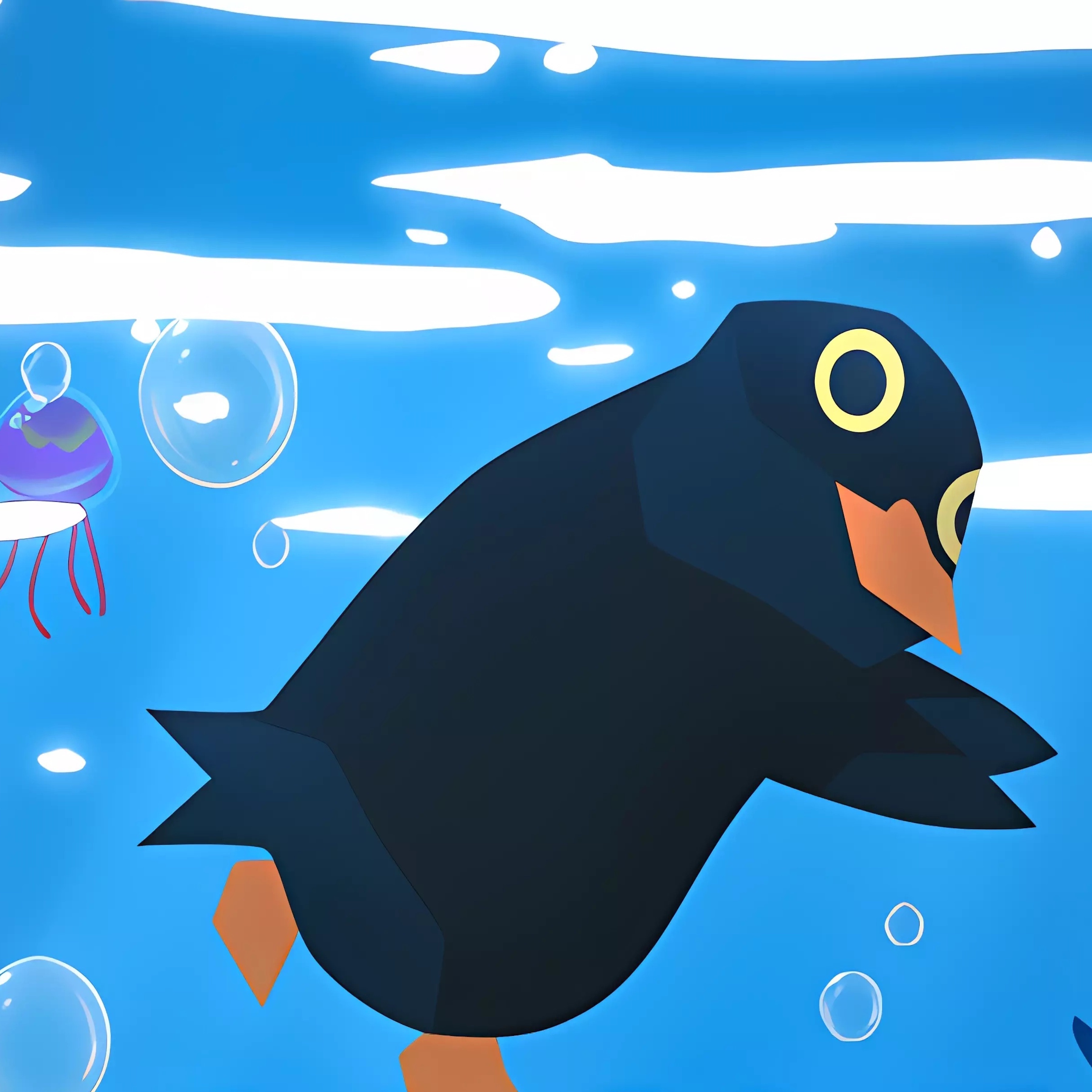
In the United Kingdom, Pengu Sport Game, the domain of Pengu Sport reveals a captivating interaction between playing and superstition. Players often adopt good luck tokens, thinking these individual items can influence their game. The importance of these amulets varies and is interlinked with personal stories that improve team unity. Examining the beginnings and practices linked to such tokens discloses more profound psychological factors at hand, prompting curiosity how much these convictions actually affect the sport’s tradition.
The Roots of Fortunate Talismans in Pengu Sport
The concept of good luck tokens in Pengu Sport traces its beginnings back to early forms of the activity, where players looked for methods to enhance their game. At first, competitors believed specific things could influence their abilities and results, utilizing common myths prevalent in athletics. These charms, ranging from distinctive baubles to individualized objects, developed as participants realized reassurance and confidence in them. Over time, the incorporation of lucky charms shifted from simple faith to strategic aspects in the gameplay. They evolved into emblems of mental toughness, fostering a mentality that propelled players to compete at their peak. Therefore, the significance of these talismans has solidified their place in the heritage around Pengu Sport, highlighting the crossroads of custom and competitive nature.
Personal Stories: Players and Their Amulets
A variety of players in Pengu Sport have individual stories about the charms they carry with them during competitions. For Emma, a experienced player, her grandmother’s old pendant symbolizes strength and fuels her motivation on the field. Jack, on the other hand, finds solace in a small stone gifted by a close friend, believing it boosts his focus and performance. Each charm serves as a psychological anchor, transforming mundane gameplay into a ritual imbued with significance. These players recognize that their charms not only embody personal histories but also create a shared narrative within the community. Such emotional attachments deepen their engagement with the game, nurturing a sense of belonging and purpose amongst the intense competition inherent in Pengu Sport.
Popular Types of Lucky Charms Among Players
Players’ connections to their lucky charms go beyond personal stories; they often gravitate toward certain types that resonate widely within the community. Among the most popular charms are tokens like lucky coins, which symbolize luck and prosperity. Many players also favor personalized amulets inscribed with motivational phrases, believing these mantras enhance their focus. Additionally, brightly colored wristbands or badges representing team spirit serve not only as symbols of unity but as sources of shared energy. Some even carry small figurines of beloved game characters, embodying their affinity for the game’s lore. Each of these charms holds significance tied to rituals that players revisit, providing a lasting sense of self-belief and camaraderie within the competitive environment of Pengu sport.
The Psychological Impact of Lucky Charms on Performance
Lucky charms in the Pengu Sport Game greatly influence players’ psychological conditions by improving mental focus and boosting confidence. Players often engage in ritualistic actions associated with these talismans, which can further strengthen their belief in personal skill and success. As a result, the psychological advantages of fortunate charms may directly correlate with improved performance on the field.
Enhancing Mental Focus
While many athletes depend on meticulous training and strategy to succeed in their sports, the psychological comfort offered by fortunate charms can greatly enhance mental focus. For players in the Pengu sport game, these charms serve as cognitive aids, enhancing concentration during critical moments. When players clutch their fortunate tokens, they shift their mindset, lowering anxiety and promoting a state of flow. This transition allows them to utilize their skills more effectively, as their focus concentrates on gameplay rather than external distractions. The ritualistic nature of using lucky charms further strengthens this effect, creating a mental association between the charm and improved performance. Ultimately, this blend of belief and ritual plays an essential role in optimizing mental acuity for competitive gameplay.
Boosting Confidence Levels
When players believe in the power of their talismans, their self-assurance often skyrocket, leading to a noticeable impact on their performance. This notion isn’t merely a fanciful notion; it originates from mental processes that improve self-efficacy. By linking specific charms with victories, players establish a cognitive framework that propels them during competition. The sense of control a lucky charm gives can lessen anxiety and strengthen resolve, allowing athletes to focus more sharply on their goals. This confidence, fueled by the charm, often results in more confident and decisive gameplay. Consequently, the cognitive benefit of lucky charms goes beyond myth, becoming a important element of a player’s mental game plan to reach peak performance in Pengu Sport.
Ritualistic Behavior Effects
Ritualistic practices often go along with the use of lucky charms, further impacting an athlete’s attitude and gameplay in Pengu Sport. These customs can foster a sense of control and steadiness, enabling players to focus on the game rather than external interferences. When athletes participate in specific behaviors—such as wearing a lucky jersey or executing a pre-game practice—they psychologically strengthen their commitment to success. This mental strengthening nurtures a greater belief in their capabilities, enhancing overall gameplay. As the brain connects these practices with successful results, athletes may undergo reduced anxiety, resulting in a sharper focus during important times. Ultimately, the interaction between lucky charms and ritualistic actions can cause enhanced confidence and a elevated competitive edge in the game.
Community Traditions Surrounding Lucky Charms
In the lively community of Pengu Sport players, superstitions about good luck tokens play a vital role in improving the gaming experience. Many athletes participate in specific rituals before competitions, trusting that these practices not only enhance their confidence but also impact their performance. This mix of tradition and belief demonstrates how deeply intertwined luck and community culture are within the sport.
Superstitions in Gaming
Although many may dismiss superstitions as mere whimsy, gaming communities often adopt these beliefs, particularly regarding lucky charms. Players place emotional significance in items like tokens or charms, connecting them with better performance. This phenomenon underscores a blend of psychology and tradition, as individuals seek control in an volatile gaming environment. Among Pengu Sport players in the UK, these charms cultivate camaraderie, forming shared narratives that strengthen community bonds. Such practices demonstrate how superstitions aren’t just personal; they reverberate within the social fabric, molding collective identity. By engaging with these beliefs, players may feel a heightened sense of agency, transforming outcomes seen as random into experiences infused with meaning and ritual, consequently improving their overall gaming experience.
Rituals Before Competitions
Before delving into tournaments, Pengu Sport athletes often participate in specific rituals focused on their lucky charms, which act as both psychological tools and emblems of collective community values. These practices usually include team chants, a brief silence for concentration, and the ceremonial passing of talismans among team members. Such traditions foster camaraderie and build confidence, reinforcing the belief that luck is a shared effort, not just an individual quest. Athletes may also don specific clothing or engage in pre-game exercises that align with their talismans, thereby creating a tactile link between custom and execution. Ultimately, these rituals enhance athletes’ mental fortitude, providing a feeling of mastery amid the uncertainties of competition, and solidifying communal bonds.
How to Choose Your Own Lucky Charm for Pengu Sport
Selecting a lucky charm for Pengu Sport can greatly improve a athlete’s experience, especially when contemplating the distinct characteristics that various talismans provide. Players should first consider their personal convictions and values; for some, talismans representing strength or fortune connect deeply. It’s crucial to take into account the charm’s substance and design, as these elements may carry specific meanings.
Moreover, players can try by using different charms during training, noting any performance changes. Input from fellow players can also provide useful insights into which talismans have been effective. Ultimately, the appropriate talisman should inspire confidence and a feeling of unity to the game, improving both focus and enjoyment during competitions.
Conclusion
In the vibrant world of Pengu Sport, good luck charms have become more than just tokens; they’re crucial to players’ experiences. These charms not only increase individual confidence and diminish anxiety but also fortify community bonds through collective stories and rituals. As players create personal connections with their charms, they transcend the game itself, creating a distinctive culture that showcases the interaction between psychology and performance. Accepting a lucky charm can lead to both personal development and communal solidarity.
